

National Public Health Week is a good time to take a step back and think about how we communicate about health—and who we’re really reaching. Audiences vary widely in culture, language, geography, age, background, and lived experience—and those differences shape how they receive and act to health information. That’s why meaningful health messaging doesn’t speak to everyone the same way. Instead, it meets people where they are, with messages that truly resonate.
Across our work with federal and local agencies, nonprofit organizations, and hospital systems, we’ve seen a consistent pattern: the more precisely a message is tailored to its audience, the greater the impact. When it comes to public health campaigns, it’s no longer just about ‘spreading the news’—it’s about building trust, increasing participation in health programs, and improving health literacy.
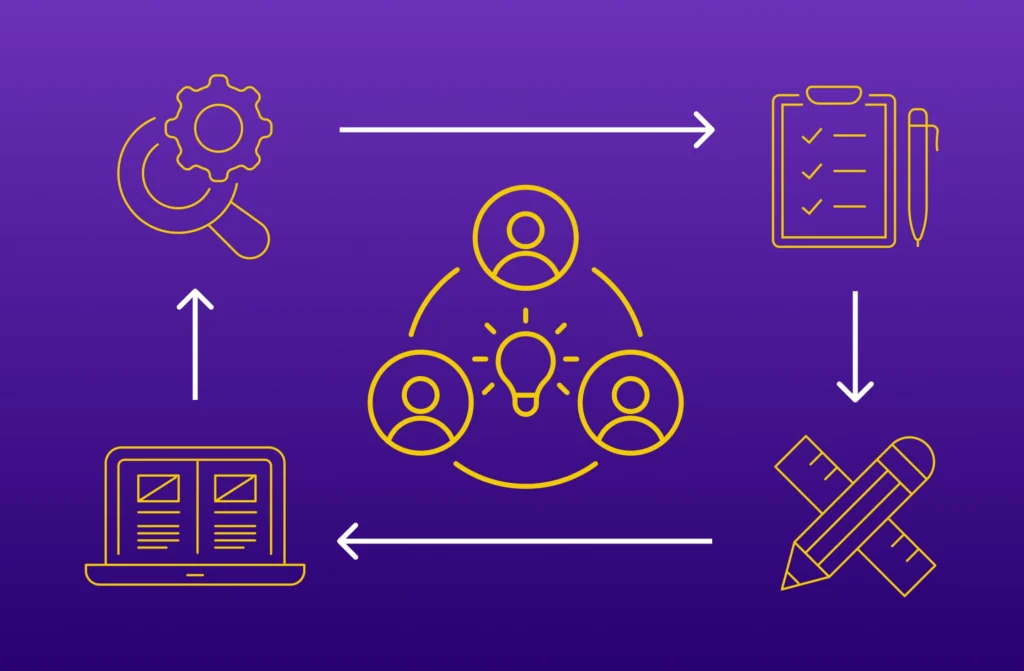
To make a real impact, public health campaigns need to be tailored—grounded in research, shaped by community input, and delivered in ways that feel relevant and trustworthy to each audience. This means considering everything from language and imagery to communication channels and cultural values. Whether it’s encouraging vaccination, promoting preventive screenings, or sharing resources during a crisis, customized communication needs to reflect the realities of the communities you’re trying to reach.
In short, one-size-fits-all doesn’t work in public health. Well-researched, audience-specific communication does.
Grounded in Research, Guided by Community: Best Practices in Health Communication
Effective public health communication starts with understanding—not just of the health issue itself, but of the people and communities most affected by it. Research provides the foundation: identifying trends, uncovering disparities, and revealing the broader context behind health behaviors and outcomes. But data alone isn’t enough.
Equally important is engaging directly with community members, advocates, and local stakeholders to learn from their lived experiences. Listening to these voices helps answer key questions like: What health concerns are most pressing? Who do people trust for information? Where do they turn for guidance? And what kinds of messages feel relevant and actionable?
These insights guide every aspect of your campaign—how it’s planned, what it says, and how it’s shared. This makes your message feel authentic and relevant to the people it’s meant for. When health information is too complicated or feels out of touch, it’s easy for audiences to tune it out or misunderstand it. Take chronic disease prevention, for example—those messages must reflect the real-word contexts that shape conditions like heart disease, cancer, and diabetes. Without it, a campaign can run the risk of feeling hollow and out of touch.
When building your approach, you’ll also need to consider how messages are delivered. Multi-channel strategies—spanning digital platforms, community media, printed materials, and in-person outreach—ensures health information reaches diverse audiences where they are. By incorporating trusted messengers and local touchpoints, public health education efforts can strengthen community trust and increase engagement.
At its best, public health communication doesn’t just share information—it builds trust, empowers action, and reflects the voices of the communities it serves.
Meeting Complexity with Compassion: Strategies for Evolving Campaigns
Public health campaigns rarely follow a straight path. Each initiative brings its own set of challenges—shaped by the complexity of the issue, the diversity of the communities involved, and the evolving social and media landscape. To navigate this terrain effectively, two qualities stand out as essential: flexibility and empathy.
Campaign strategies must be adaptable. As new public health research emerges or community needs shift, public health communicators need to be ready to adjust course. Listening—through community feedback, social listening, media monitoring insights, and on-the-ground engagement—plays a critical role in shaping messages that remain relevant, accurate, and respectful of lived experiences.
Prioritizing empathy allows you to understand not just what the barriers are, but why they exist—from limited access to care and digital gaps to cultural perceptions of health and trust in institutions. When campaigns are built with empathy, they are better equipped to respond to the real-world circumstances people face.
When addressing issues like low health literacy or adapting to shifts in digital engagement, the most effective integrated marketing efforts are those that listen, learn, and evolve. Flexibility and empathy are not just values—they’re strategies for impact.
Driving Change, Delivering Results: Campaigns That Made a Difference
Creating meaningful public health impact requires more than well-crafted messages—it demands deep collaboration. That’s why we advocate for bi-directional partnerships grounded in trust, shared learning, and active listening. These partnerships allow campaigns to move beyond surface-level outreach and develop solutions that are truly responsive to community needs.
This approach has been central to some of the most impactful public health campaigns we’ve led. We’ve had the privilege of partnering with federal health agencies to build trust, inspire confidence, and drive behavior change around critical health issues—including COVID-19, RSV, and the seasonal flu. By combining deep audience insights with culturally relevant messaging and multi-channel outreach, we’ve moved beyond awareness and helped people take informed action, even during times of uncertainty and misinformation.
Our insight-driven, audience-first approach informs our work at the local level as well. For Wisconsin Children’s Hospital, we led the creative strategy and production of their pediatric primary care campaign, Every Child is a Big Thing to Us. Before launch, we tested the concept to ensure it would resonate—and the results spoke volumes: 90% of the target audience felt motivated to learn more, and 77% said they wanted to take action to explore services. It’s a strong example of how thoughtful, research-informed messaging—grounded in audience insight—can connect emotionally, build trust, and lead to measurable public health outcomes.
Putting It All Together: Health Communication That Moves People Forward
As we’ve explored throughout this article, effective public health communication isn’t just about delivering information—it’s about understanding the people you’re trying to reach and meeting them where they are. The most impactful campaigns are those that combine research with empathy, strategy with flexibility, and messaging with meaning.
By grounding communication in lived experience, tailoring messages to reflect cultural and community context, and remaining open to change as new insights emerge, we can build campaigns that not only inform—but engage, empower, and drive lasting outcomes. Whether at the national or local level, public health efforts that listen and evolve alongside their audiences are the ones that leave a meaningful mark.
In a world where health information is abundant, but trust is often in short supply, thoughtful, inclusive communication has never been more essential. It’s not just about getting the message out—it’s about making sure it resonates, builds trust, and ultimately moves people toward healthier lives.
What is National Public Health Week?
During the first full week of April, the American Public Health Association (APHA) unites communities across the country to celebrate National Public Health Week (NPHW). This event recognizes public health contributions and addresses key health issues for the year.