
How Early Team Collaboration Improves Design and Efficiency
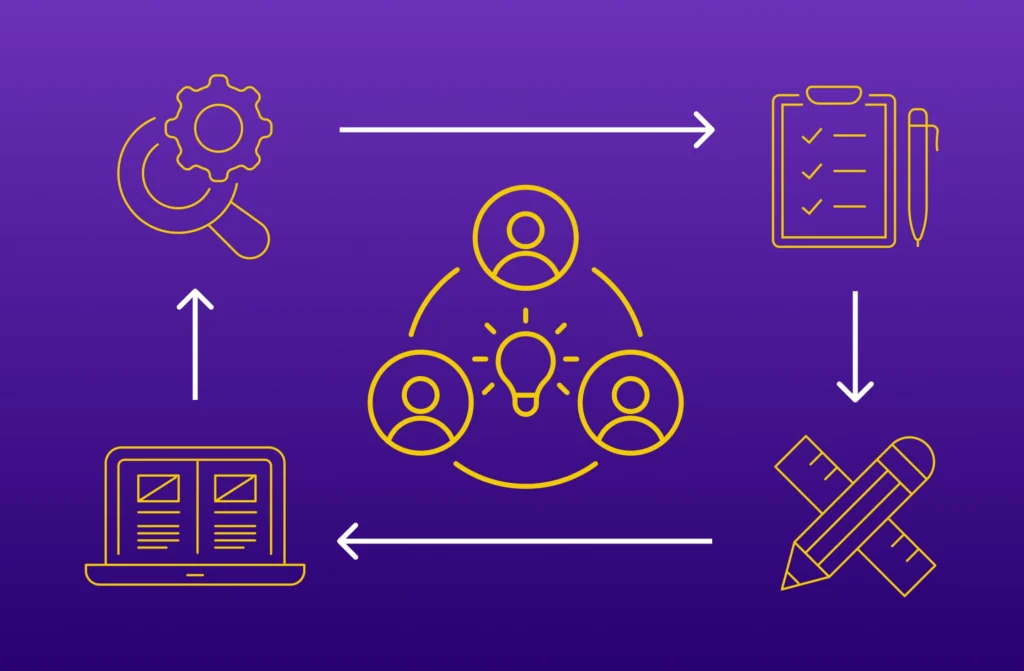
Many projects follow a silo sequence, which typically involves research, content, design, and then development. It seems organized, but it often creates gaps. Decisions are made without a full understanding of the context, content is forced into pre-existing design layouts, and development builds features that were not fully considered. The best results come when teams collaborate earlier, guided by User-Centered Design (UCD) principles.
The Problem with Siloed Teams
When teams work in silos, decisions are made with a lack of information. Research insights may be overlooked, and content structures can be hard to translate visually without early design input. This often leads to misaligned goals, multiple revisions, and inefficiencies. Late collaboration forces teams to react instead of contributing concurrently. UCD addresses this by aligning all teams around the same goal: meeting audience needs.
What Early Collaboration Looks Like
Early collaboration is not about more meetings. It’s about involving the right people at the right time. Examples include:
- Kick-off sessions where research, content, design, and development align on goals
- Brainstorming sessions to explore ideas before they become fixed
- Early review sessions where multiple teams weigh in on direction, not just execution
UCD ensures that every decision starts with the audience in mind. When teams understand the “why” behind decisions, the “how” becomes much clearer.
How Early Collaboration Improves Design Quality
Strong design starts before visuals. Collaborating early allows:
- Designers to understand audience needs from research
- Copywriters to structure messaging alongside design
- Developers to inform interaction ideas and technical feasibility
The results are:
- Layouts that match how audiences consume information
- Intuitive interactions designed collaboratively
- Visual systems that support both content and functionality
Design becomes about solving problems, not just decoration. UCD ensures that the outcome addresses real audience needs.
How Early Collaboration Improves Efficiency
Early collaboration reduces problems later. Instead of finding issues during development, teams solve them upfront. The benefits include fewer revisions and redesigns, faster decisions with shared context, and less back-and-forth. Efficiency is not about moving faster; it’s about removing problems between phases.
The Compounding Effect of Shared Understanding
When teams collaborate early with UCD in mind, they build a shared language and anticipate each other’s needs. Designers consider content structure. Developers consider UX. Copywriters understand technical constraints. Alignment reduces bottlenecks, builds confidence, and keeps the audience at the center of every decision.
Real-World Example: Wisconsin Lottery Responsible Gaming Campaign
A recent campaign for the Wisconsin Lottery promoted responsible gaming through visually appealing ads.
- Research identified key themes around behaviors, messaging sensitivity, and audience resonance. These insights shaped the strategy.
- Content and design developed messaging and design layouts together, making sure structure and tone supported research findings.
- Concept meetings included research to validate ideas that stayed user-centered.
- Development ensured the final execution maintained layout consistency and production integrity.
Because UCD guided early collaboration, content and design decisions didn’t require many revisions and were research based. Every team contributed to shaping an outcome that worked.
Cross-Functional UCD Teams in Action
At CMRignite, the User-Centered Design team is cross-functional. Research, content, and design work together early. This allows teams to align goals and audience needs, turn insights into actionable decisions, and maintain consistency from concept to execution. Embedding UCD into the workflow bridges gaps between teams. Ideas are shaped collaboratively, always informed by the audience.
Better Communication and Better Outcomes
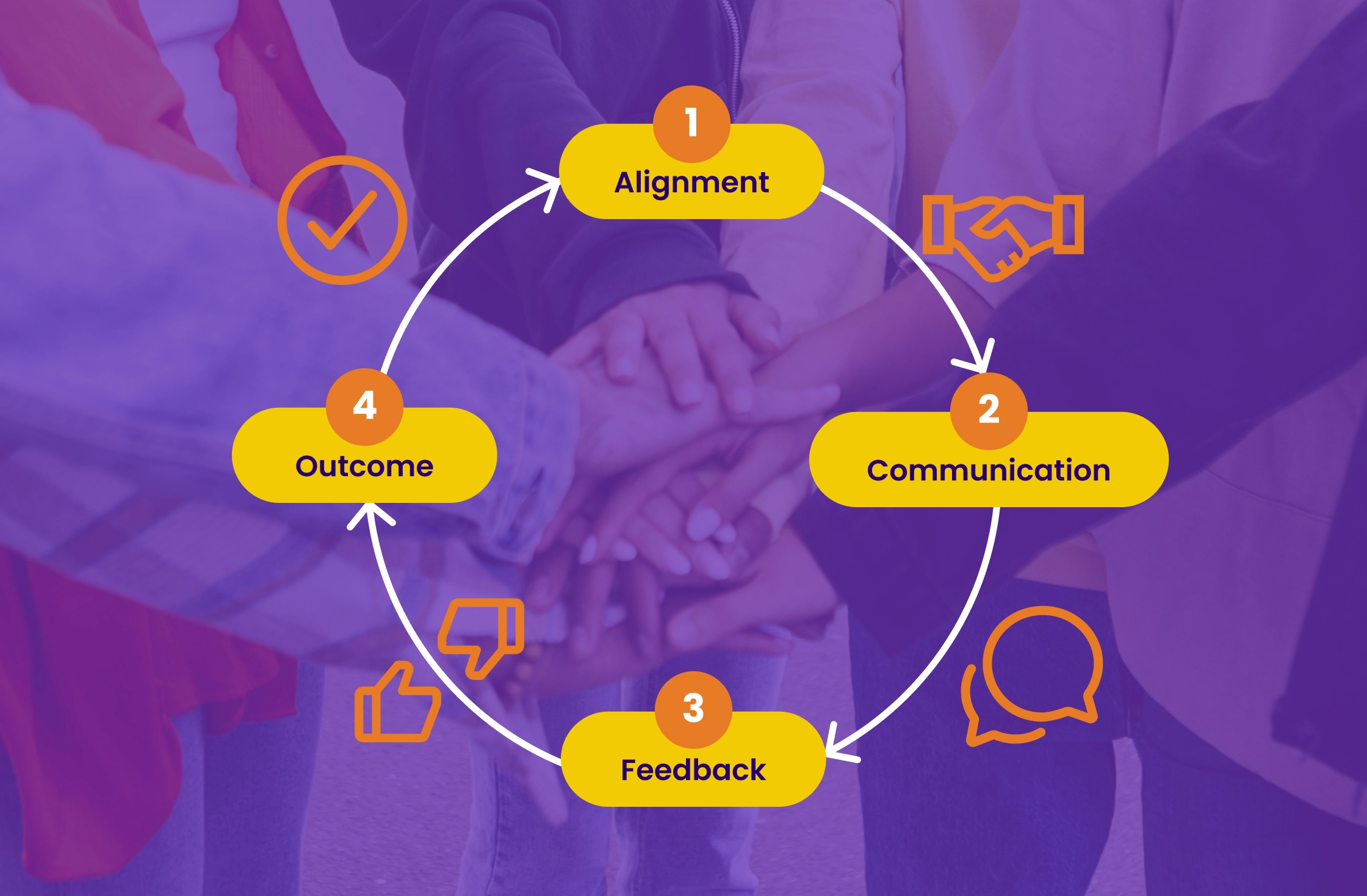
Early collaboration improves communication skills. Shared context reduces the need to reinterpret decisions later. Teams experience fewer misunderstandings, clearer expectations across teams, and more productive feedback loops. When discussions focus on the audience, communication is direct, efficient, and meaningful.
Better Early Collaboration
The most effective projects depend on early collaboration. By bringing research, content, design, and development together, guided by UCD, teams improve both quality and efficiency. The result is a smoother workflow and more cohesive experience for audiences. When teams align early, they are better equipped to create work that truly works.