

How User-Centered Design Brings Disciplines Together to Create Better Digital Experiences
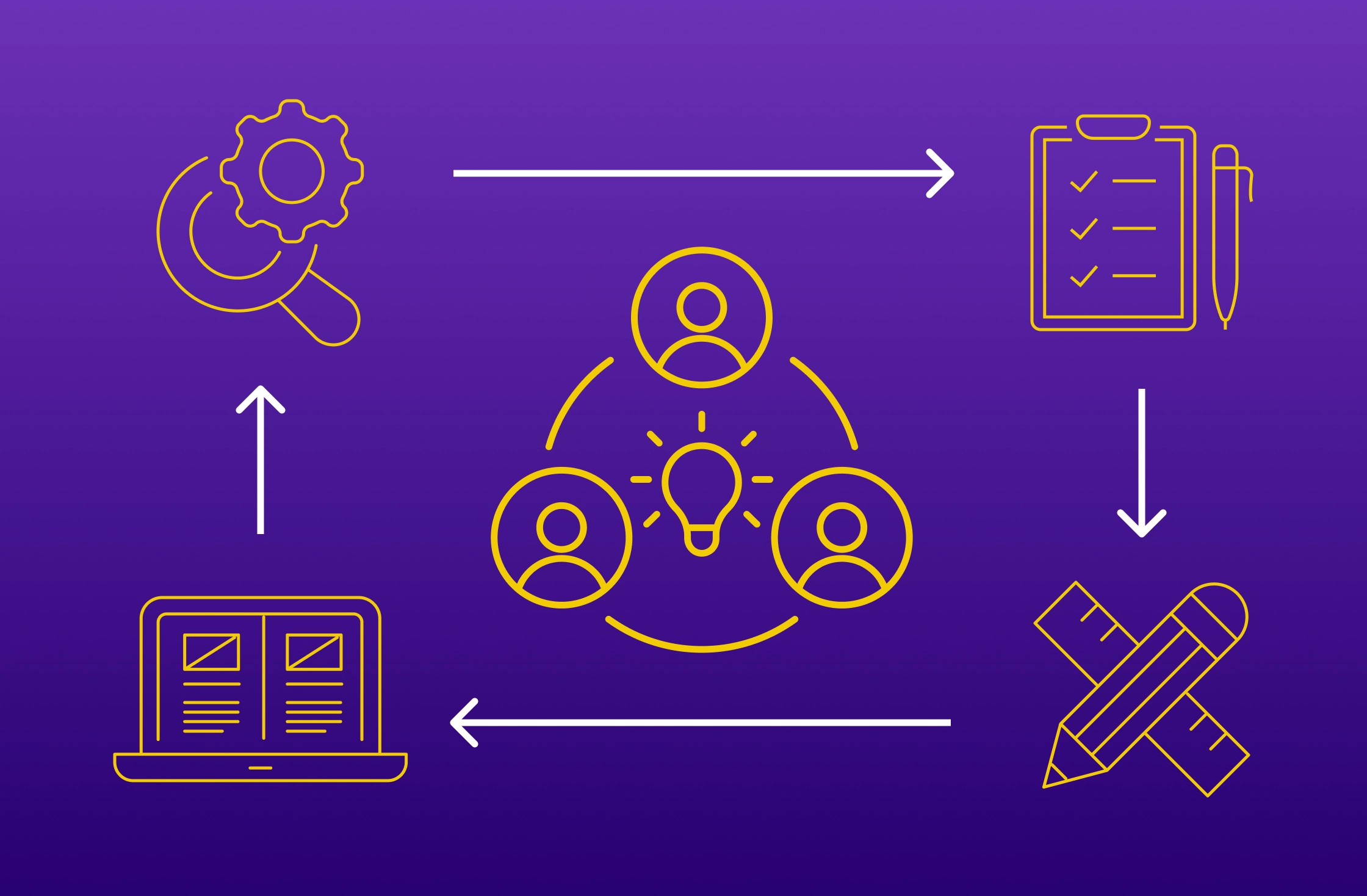
Digital experiences rarely fail because of a single issue. More often, they fall short when research, content, design, and development operate in silos. User-Centered Design (UCD) addresses this by aligning these disciplines around a shared goal: meeting real user needs. When these functions work together intentionally, the result is more intuitive, accessible, and effective digital products.
What Is User-Centered Design
User-Centered Design is an approach that prioritizes the needs, behaviors, and goals of real users throughout the lifecycle of a digital product. Rather than designing based on assumptions or internal preferences, UCD relies on evidence to guide decisions.
Research, content, UX, design, development, analytics. All these areas are orchestrated together to develop a continually improving product that meets users where they are. The strength of UCD lies in how these disciplines intersect.
Research: Making Decisions Based On Real People
Every effective digital experience begins with understanding users.
Research provides insight into:
- Who the users are
- What they are trying to accomplish
- Where they encounter friction
- How they want to be communicated to
Research often includes stakeholder interviews, user interviews, analytics reviews, and usability evaluations. These inputs surface not just what users say but also their behaviors.
The key is that research does not sit in a report. It actively informs the work of content strategists, designers, and developers. The teams regularly meet to discuss the findings and how to implement them. Without this translation into action, research has a limited impact.
Content Strategy: Making Information Understandable
Content strategy transforms research insights into clear, actionable communication.
It answers:
- What information do users need at each step?
- How should that information be structured?
- What language will resonate and build trust?
- How do we make this content accessible to our audience?
In many projects, content is the experience. They are entrusted with wireframe development to structure the content to be easy to understand for the target audience. If users cannot find or understand information, even the best visual design or technical performance will not compensate.
Content strategy works closely with research to define:
- Information architecture
- Page hierarchies
- Messaging frameworks
This ensures that users can navigate confidently and complete tasks efficiently.
Design: Translating Insight into Experience
Design brings structure and clarity to the user journey.
It determines:
- How users move through the experience
- How information is prioritized visually
- How interactions feel and respond
Importantly, design is not just about aesthetics. It is about usability. Content strategists work in parallel with visual designers to refine concepts around layout, branding, and interaction patterns.
Development: Making It Real and Accessible
Development is where ideas become functional, scalable systems. In a UCD process, development is brought in at early stages, not just handed designs.
Developers contribute by:
- Identifying technical constraints early
- Determining what features fit within scope
- Optimizing performance and responsiveness
- Building flexible systems that support content needs
When developers are integrated early, teams avoid costly rework and ensure that what is designed can be delivered effectively.
Where Collaboration Creates Value
The real impact of UCD emerges in the overlap between disciplines.
Examples of this collaboration include:
- Research + Content Strategy: Translating user pain points into clearer navigation and messaging
- Content + Design: Structuring information in ways that support scanning and comprehension
- Design + Development: Ensuring interactions are both intuitive and technically sound
- Development + Research: Validating performance and usability through testing and iteration
This integrated approach reduces friction, aligns priorities, and results in experiences that feel cohesive rather than fragmented.
A CMRignite Example: Website Modernization
In a recent CMRignite project involving a federal agency website modernization, the team migrated thousands of pages into a new, user-centered structure.
Rather than treating migration as a technical exercise, the process was driven by UCD principles:
- Research identified how users were searching for information and where they were getting lost. They identified barriers in access and outdated content that no longer met users’ needs.
- Content strategy restructured the site architecture, simplifying navigation and reducing redundancy. Wireframes were created to ensure the research was being implemented correctly and to communicate changes to stakeholders.
- Design introduced consistent templates and visual hierarchy to support clarity and accessibility.
- Development implemented a scalable system that ensured performance, accessibility, and long-term maintainability. Rules were put in place so that content builders followed the best practices already in place.
The result was a more usable system aligned with how users actually interact with the content. Post-launch improvements included reduced navigation friction and increased engagement with key resources. CMRignite continues to work on the website, making continuous user-centric improvements to maintain quality and access.
Why This Matters
When disciplines operate independently, digital experiences often reflect internal structures rather than user needs. This leads to:
- Confusing navigation
- Inconsistent messaging
- Accessibility gaps
- Technical inefficiencies
User-Centered Design, when done collaboratively, addresses these issues by aligning teams around a shared understanding of the user. This transforms digital products into more effective tools that supports users in completing meaningful tasks.